Protein

Protein, highly complex substance that is present in all living organisms. Proteins are of great nutritional value and are directly involved in the chemical processes essential for life.
Protein is a nutrient your body needs to grow and repair cells, and to work properly.
Protein is found in a wide range of food and it’s important that you get enough protein in your diet every day. How much protein you need from your diet varies depending on your weight, gender, age and health.
Nutritional value of protein:
The nutritional value of a protein is measured by the quantity of essential amino acids it contains.
Different foods contain different amounts of essential amino acids. Generally:
Animal products (such as chicken, beef or fish and dairy products) have all of the essential amino acids and are known as 'complete' protein (or ideal or high-quality protein).
Soy products, quinoa and the seed of a leafy green called amaranth (consumed in Asia and the Mediterranean) also have all of the essential amino acids.
Plant proteins (beans, lentils, nuts and whole grains) usually lack at least one of the essential amino acids and are considered 'incomplete' proteins.
People following a strict vegetarian or vegan diet need to choose a variety of protein sources from a combination of plant foods every day to make sure they get an adequate mix of essential amino acids.
If you follow a vegetarian or vegan diet, as long as you eat a wide variety of foods, you can usually get the protein you need. For example, a meal containing cereals and legumes, such as baked beans on toast, provides all the essential amino acids found in a typical meat dish.
protein powders
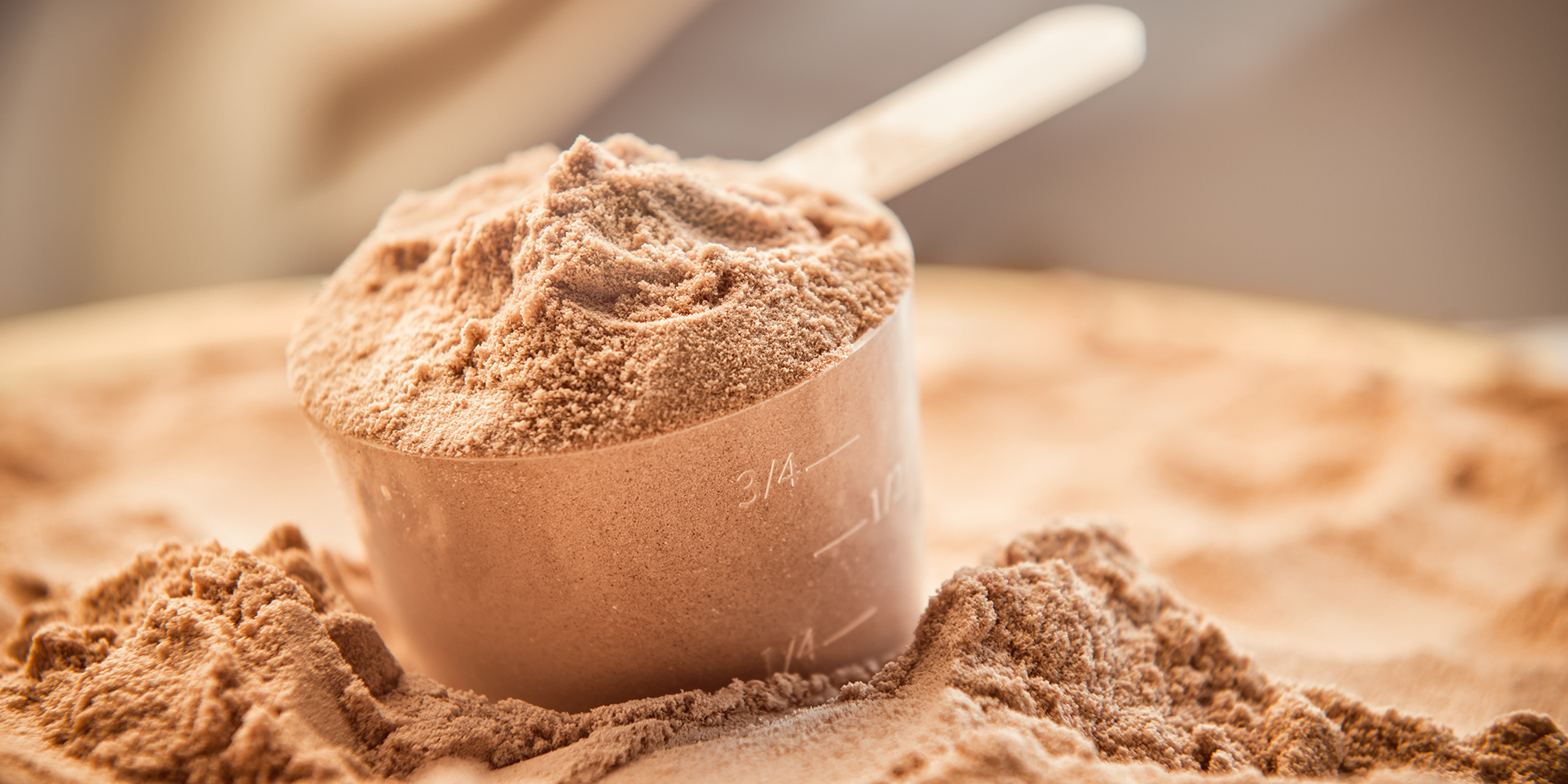
Powdered protein can come from a variety of sources, including eggs, milk (e.g., casein, whey), and plants (e.g., soybeans, peas, hemp). Some protein powders contain protein from multiple sources; for instance, a vegan option might include protein derived from peas, pumpkin seeds, sunflower seeds, and alfalfa. Like other dietary supplements, protein powders are not regulated by the U.S. Food and Drug Administration for safety. They can often contain non-protein ingredients, including vitamins and minerals, thickeners, added sugars, non-caloric sweeteners, and artificial flavoring. If you choose to consume protein powder, it is important to read the nutrition and ingredient labels beforehand, as products may contain unexpected ingredients and large amounts of added sugars and calories.
Comments
Post a Comment